Understanding Tinnitus: Potential Causes & Triggers
Wiki Article
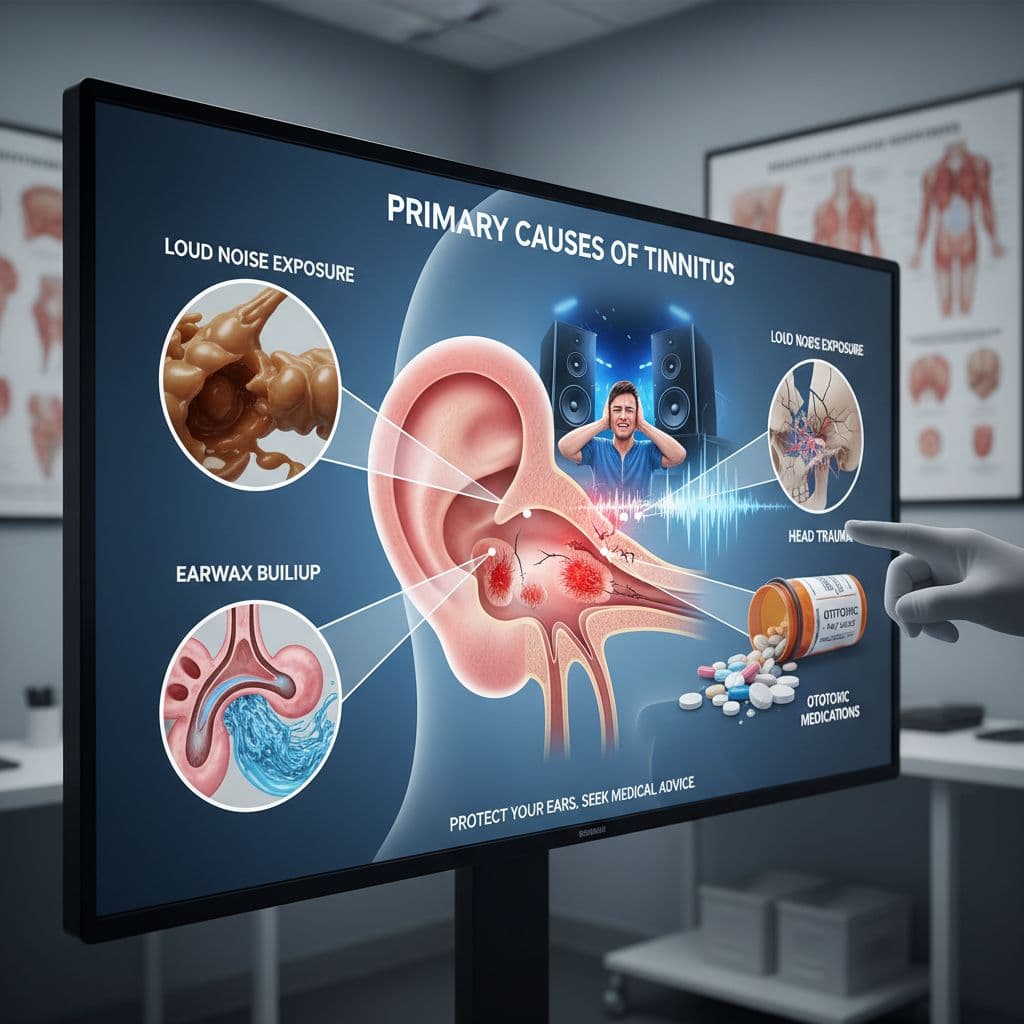
Tinnitus, defined as the perception of noise when no external origin is present, can be a remarkably distressing condition. Several reasons may contribute to its development. Common culprits include exposure to loud music, progressive hearing loss, certain medications, and auditory infections. In addition, blocked in the hearing passage can sometimes be a major trigger. Interestingly, jaw problems (temporomandibular joint dysfunction or TMJ) and even cervical injuries can occasionally provoke tinnitus. Lifestyle decisions, such as excessive coffee consumption or smoking, might also exacerbate the symptoms. Ultimately, identifying the primary cause or particular triggers is crucial for successful management and possible relief.
The Root of the Ringing: Exploring Tinnitus Etiology
Understanding the source of tinnitus, that persistent awareness of ringing or buzzing in the ears, is a complex endeavor. While often described as simply "ringing in the ears," the problem can manifest in numerous ways, including hissing, clicking, or roaring, and its fundamental causes are surprisingly diverse. From age-related hearing impairment and noise-induced damage to ear infections and certain pharmaceuticals, the spectrum of potential causes is broad. Furthermore, sometimes no discernible medical explanation can be found, leading to what's known as idiopathic tinnitus. Exploring these various etiologies is crucial for developing more targeted treatments and offering suitable support to those experiencing this often debilitating affliction. Researchers are diligently working to uncover the neurophysiological mechanisms at play and to ultimately discover ways to lessen the burden of tinnitus for millions worldwide.
Unmasking the Source:Identifying the Cause:Pinpointing the Origin:Exploring the Reasons Behind: Your Tinnitus
While the exact source of tinnitus can be difficult to pinpoint, several frequent culprits often play a role. Prolonged contact to intense noise is a significant factor, frequently stemming from industrial environments, concerts, or even leisurely activities like firearm use. Certain medications, including aspirin and some antibiotics, are also associated to tinnitus. Additional potential triggers involve middle ear inflammation, excessive earwax, concussions, and jaw joint dysfunction. Finally, underlying physical conditions such as hypertension or diabetes mellitus can sometimes play a part in the development of tinnitus, making a thorough medical evaluation vital.
Understanding Tinnitus Causes: From Hearing Loss to Medical Conditions
The origin for noise in the ears, commonly known as tinnitus, can be surprisingly complex. While auditory loss, particularly age-related reduction, is a frequent contributor – often stemming from damage to the internal ear – it's certainly not the only possibility. A number of other health conditions can also trigger or worsen tinnitus. These include certain head or neck damage, temporomandibular joint (TMJ) disorders, increased blood pressure, ear infections, and even certain pharmaceuticals. In some instances, tinnitus can be a indication of more serious underlying concerns, making a thorough evaluation by a healthcare expert vital for proper determination and treatment.
Discovering Tinnitus Triggers: A Deep Dive
The constant ringing, buzzing, or hissing associated with tinnitus isn't always a standalone condition; it's frequently a sign of an underlying issue. Identifying these potential factors is crucial for effective treatment and, in some cases, substantial relief. Common culprits include noise-induced trauma, often from prolonged exposure to loud sounds; certain drugs, particularly those with harmful to the ear properties; impacted earwax, which can physically obstruct the hearing canal; and, less frequently, more critical here conditions such as Meniere’s disease or acoustic neuroma. Furthermore, behavioral factors like excessive alcohol consumption or smoking can exacerbate existing ear issues. A thorough professional evaluation, including audiometry and potentially imaging, is vital to uncover the true origin of your tinnitus and guide appropriate intervention.
Acoustic Trauma & Beyond: Investigating Tinnitus Origins
The persistent, often debilitating, ringing or buzzing known as tinnitus ringing isn’t always a straightforward consequence of a single, dramatic event like an explosion. While acoustic trauma severe noise exposure certainly remains a key trigger – think concerts, industrial machinery, or military service – a growing body of research suggests a far more complex web of contributing factors. It’s increasingly clear that tinnitus tinnitus can arise from subtle, cumulative noise damage, ototoxic medications medications – pharmaceuticals known to harm the inner ear – temporomandibular joint (TMJ) disorders conditions, head cranium injuries, and even metabolic imbalances. Furthermore, the underlying physiological mechanisms are proving elusive, involving intricate interactions between auditory hearing pathways, the brain's auditory cortex, and potentially, the central nervous system’s response to stress pressure. Therefore, pinpointing the definitive origin of tinnitus requires a thorough evaluation, often incorporating audiological testing, imaging, and a deep dive into a patient's complete medical patient history – moving far beyond a simple “noise exposure” explanation. The quest to fully understand and effectively treat this pervasive condition demands continued scientific inquiry and a broader perspective.
Report this wiki page